Copper Kitchenware Buying Guide: How to Choose a Cezve, Pan or Teapot
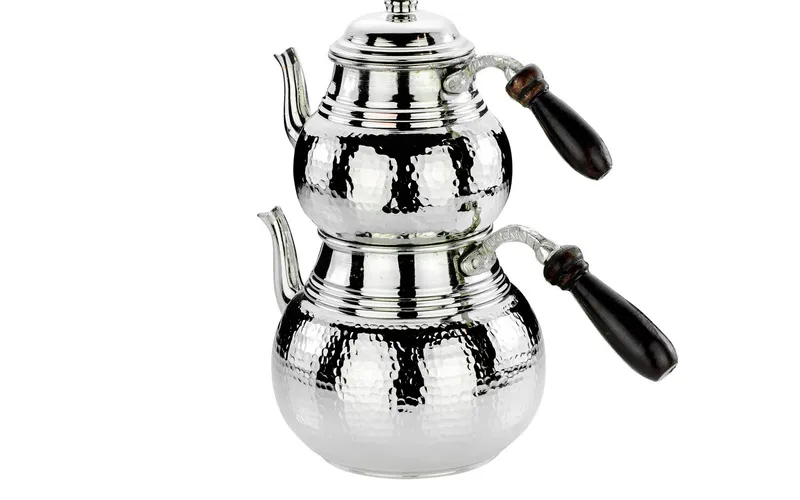
- copper
- kitchenware
- cezve
- teapot
Why Copper Kitchenware?
Copper is among the best heat conductors used in the kitchen — roughly twice as fast as aluminium and about twenty times faster than stainless steel — and it spreads that heat evenly across the whole vessel. That is why coffee foams slowly in a copper cezve without boiling over, why food in a copper pan never burns in one spot while staying raw in another, and why tea in a copper teapot keeps its strength and warmth for hours. Anatolian kitchens have relied on copper for centuries for good reason.
Not everything sold as “copper”, however, is the same quality. This guide walks through what to check before you buy.
1. Check the Tin Lining
Any copper surface that touches food or drink must be lined with tin. Tin is the traditional, food-safety-critical layer that prevents copper from reacting with acidic foods. Look inside the vessel: you should see a matte, silvery-grey surface. If the interior is bright orange (bare copper), the piece is decorative only — do not cook with it.
Tin does not last forever; with heavy use it needs renewing every few years. Buying from a workshop that offers re-tinning service means having a craftsman by your side for the life of the piece.
2. Hand-Hammered or Factory-Pressed?
Hand-hammered copper is denser and more durable than factory-pressed copper, because every hammer blow compacts the metal. The hammer marks on the surface are not just decoration — they are proof the metal has been worked and hardened. Cheap pieces with perfectly smooth surfaces are usually pressed from thin sheet copper and tend to warp or sag within a few years.
At Esili Bakır, every piece is hand-hammered in Kahramanmaraş using traditional methods.
3. Look at Wall Thickness
A good copper vessel should have walls at least 1–1.5 mm thick. Thin copper heats quickly but cannot hold heat; thick copper cooks evenly and lasts for decades. The practical in-store test is weight: quality copper feels distinctly heavy for its size. When in doubt, ask the seller for the wall thickness — an honest maker knows the number.
4. Choosing a Copper Cezve
What to look for in a good copper coffee pot:
- Narrow neck, wide body: the classic cezve shape builds foam and lets it rise without spilling.
- Tin-lined interior: coffee is acidic and should never touch bare copper.
- Riveted or traditionally fitted handle: the handle should be riveted to the body, not screwed on.
- Right size: match the cezve to the number of cups; two cups of coffee will not hold their foam in an oversized pot.
For larger gatherings and fireside service, see the cezve’s big brother, our copper coffee pot.
5. Choosing a Copper Pan or Griddle
A copper pan excels at high-heat, fast cooking — searing and sautéing. Wall thickness matters even more here; a thin pan deforms easily over open flame. Slightly flared sides make stirring and serving easier. For traditional kavurma and meat dishes our hand-hammered copper roasting griddle is the centuries-old answer, and for stews see our copper casserole pots.
6. Choosing a Copper Teapot
In the homeland of tea culture, the copper teapot is the secret to properly brewed tea. Check that:
- The lower kettle is wide and the upper pot sits firmly: steam should heat the brew evenly so it matures without turning bitter.
- Lids fit snugly: a loose lid lets steam escape and cools the brew.
- Handles are heat-resistant and securely attached.
Browse our hand-hammered copper teapots in various sizes, or consider the traditional copper samovar for larger gatherings.
7. Watch Out for Fake and Mixed-Metal Products
Many products on the market merely look like copper: copper-plated steel, painted aluminium, even copper-coloured ceramic coatings. How to tell them apart:
- Magnet test: copper is not magnetic. If a magnet sticks, the vessel is steel.
- Weight: real copper is noticeably heavier than an aluminium piece of the same size.
- Sound: tap it gently — copper rings with a full, lasting tone; thin sheet metal sounds tinny.
- Price: genuine handmade copper cannot be cheap, given the raw material and labour. A very cheap “copper” product is not copper.
After You Buy: Care
With the right care, a copper vessel serves for generations. For daily cleaning, natural polishing methods and knowing when to re-tin, see our copper care guide. Curious about copper and wellbeing? Read our piece on the health benefits of copper cookware.
Questions? Get in touch — we will help you find the right piece for your kitchen.